A Fellowship that Makes Teaching and Learning About Discovery
Fellowship Goals
Fellows will learn while applying and mastering over time:
-
How to teach with proven, research-backed methods that result in significant individual growth
-
How to design projects centered on student teams solving real and urgent problems for local organizations
-
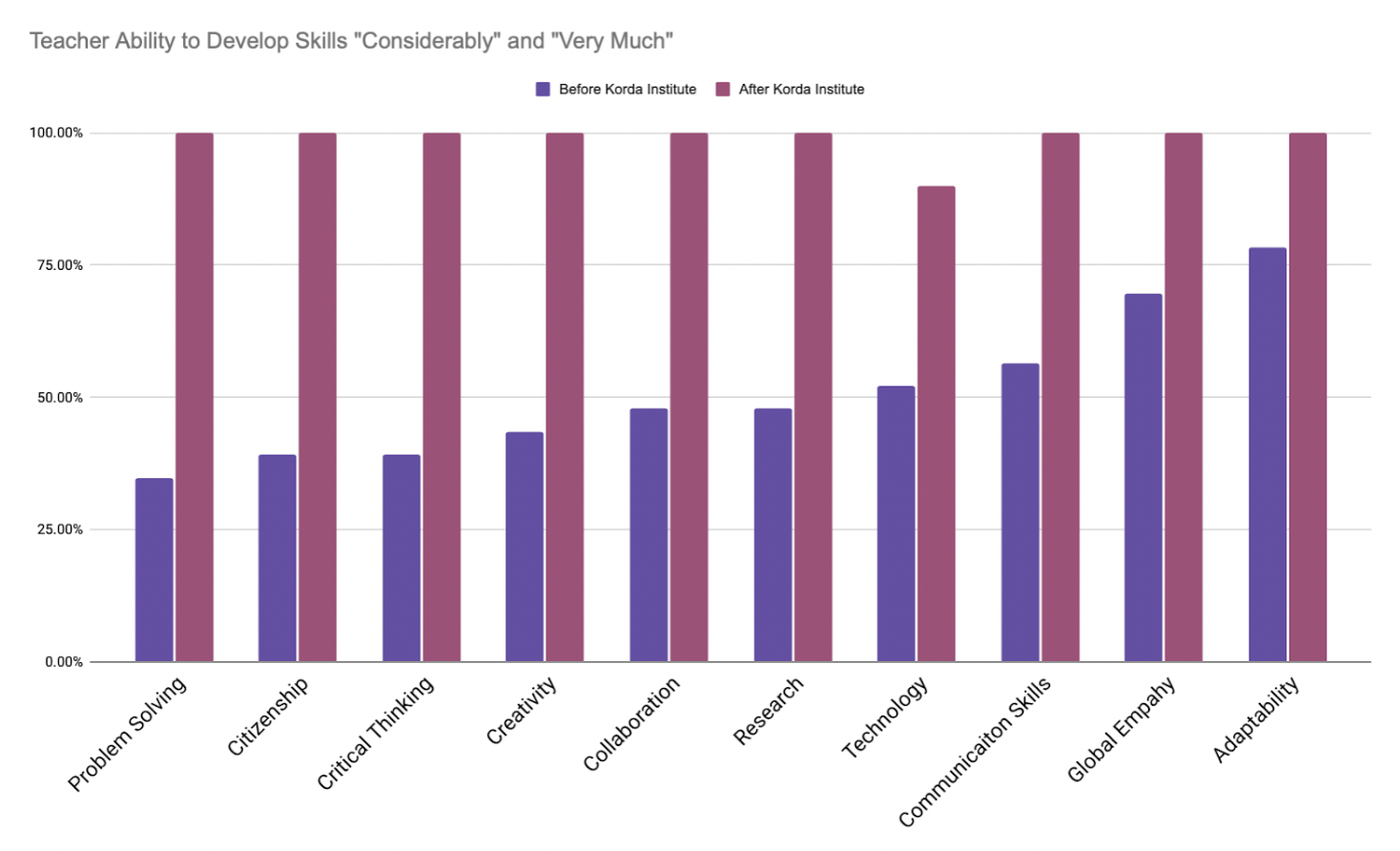
How to teach so that students develop critical skills like creative problem-solving, critical thinking, collaboration, communications and citizenship
-
How to teach for deeper learning of academic knowledge and skills
-
How to implement instructional practices for engagement, agency and equity
-
How to create a classroom culture of discovery, collaboration, community-mindedness and belonging
Fellowship Outcomes Research
Columbus City Schools Cohort 1: Impact Highlights
Examples of Student Outcomes
Research Participants + Research Overview
In partnership, Korda Institute for Teaching, The Ohio State University and Columbus City Schools are conducting a research study to capture the fellowship’s impact. Following are outcome highlights from the first cohort of teachers and students.
Data analyzed per the IRB (Institutional Review Board) approved research protocol:
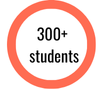
696 Student Pre and Post Project Surveys
33 Educator Pre and Post Program Year Surveys
75 Student Interviews (determined by Parent Consent)
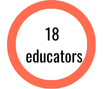
18 Teacher and Administrator Structured Interviews
Classroom Recordings and Observations
Columbus City Schools provided student data
Developing Durable Skills
Learner Centered Classrooms
Major Outcomes + Skills Mastery

Students share that what they learn during a Korda Project is more directly related to the real world than in a typical instruction.
Students report that a Korda Project significantly requires more Research Skills than typical instruction.

Students report that they more significantly engage in sharing ideas with peers during a Korda Project than during typical instruction.
Students report that they become more confident learning difficult material during a Korda Project.
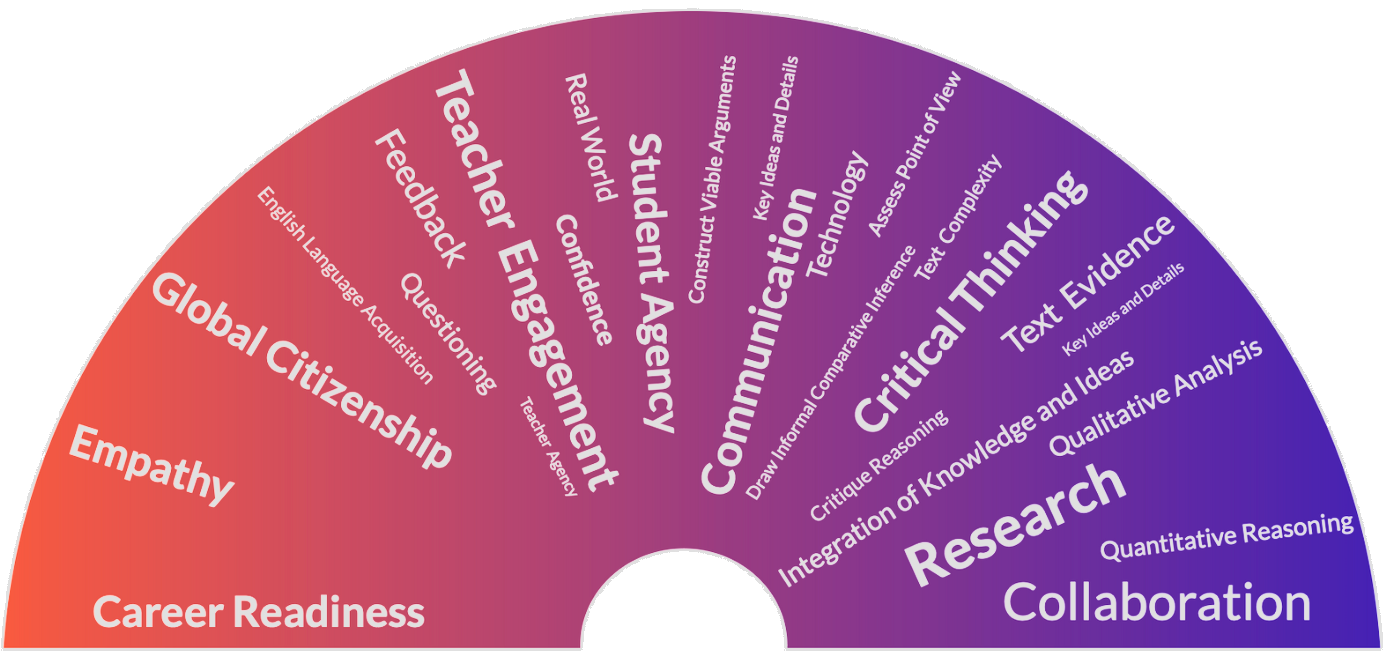
Collaboration, Communication, Critical Thinking, Research, Student Agency,
Shifts in Teacher Practice, Empathy/ Global Empathy, Citizenship, Career Readiness, Confidence
Fellowship 2025-2026 Details
Method Immersion & Upskilling
Fellows will learn science-backed methods for design and teaching to apply through collaboration and experimentation in their classrooms throughout the year. Highlights include:
-
Building a community of practice that engages students in learning while solving real and urgent problems for local partners
-
Experiencing the teaching methodology in action in the immersive Fellowship training courses
-
Learning powerful, science-backed methods for Curriculum Design & Instructional Practice
-
Co-designing and co-teaching as part of an interdisciplinary team of Fellows in your school with shared planning time given during or after school
-
Receiving coaching and feedback from master instructors
-
Using a robust set of resources for innovative, high quality problem and project-based learning including a Community Partner Portal, project design tools, case studies, and instructional guides
-
Practicing collaboration and team-building while developing teaching practice
Method Integration
Method Integration
Fellows will have the opportunity to deepen their practice as they further integrate the new methods they have learned into their teaching. Fellows will design their individual learning goals as they further develop their skills in areas such as:
-
-
Designing trans-disciplinary learning experiences
-
Scaffolding for skills mastery
-
Teaching for rigorous academic learning
-
Ongoing assessment of student understanding, abilities and needs in order to drive teaching and learning plans
-
Leading student-centered, inquiry-based learning experiences
-
Providing meaningful and impactful feedback
-
Designing effective reflections and deliverables
-
Overcoming structural barriers to successful implementation
-
Fellowship Reflections
Eligibility
Columbus City School Educators (including Elective and Special Education Teachers) are eligible to participate in the Fellowship. Educators will form School Design Teams that include one administrator and a minimum of 2 Co-Teachers.
School Design Teams will:
-
Experiment with new methods of teaching and learning;
-
Form active community partnerships;
-
Participate in reflection and sharing of learning.
Join a Cohort of Educators Who Are Excited About Being:
Innovators
Education changemakers eager to try new methods for teaching and learning
Learning Driven
Creating and leading educational experiences through the lens of what’s being learned by every student
Whole Child Centered
Skilled and knowledgeable in supporting whole child development of every child
Collaboration Oriented
Open-minded, generative and communicative in working with others
Actively Curious
Humble while continuously seeking new learning, perspectives, understanding and feedback
Community Minded
Actively committed to increasing wellbeing and justice in society, locally and globally